

Charcoal masks have become one of the most popular skincare trends in recent years. You’ve probably seen them online—thick black masks that promise to pull out dirt, unclog pores, and leave your skin feeling fresh and clean.
But do charcoal masks actually work? Or are they just another skincare trend?
In this article, we’ll break down how charcoal masks work, their real benefits, possible risks, and what kind of results you can expect.
What Are Charcoal Masks?
Charcoal masks are skincare products made with activated charcoal, a fine black powder that has been treated to increase its ability to absorb impurities.
These masks are usually applied to the face and left on for a short period before being rinsed or peeled off.
Common types of charcoal masks:
- Clay-based masks
- Cream or gel masks
- Peel-off masks
Each type works a little differently, but they all aim to clean and refresh the skin.
How Do Charcoal Masks Work?
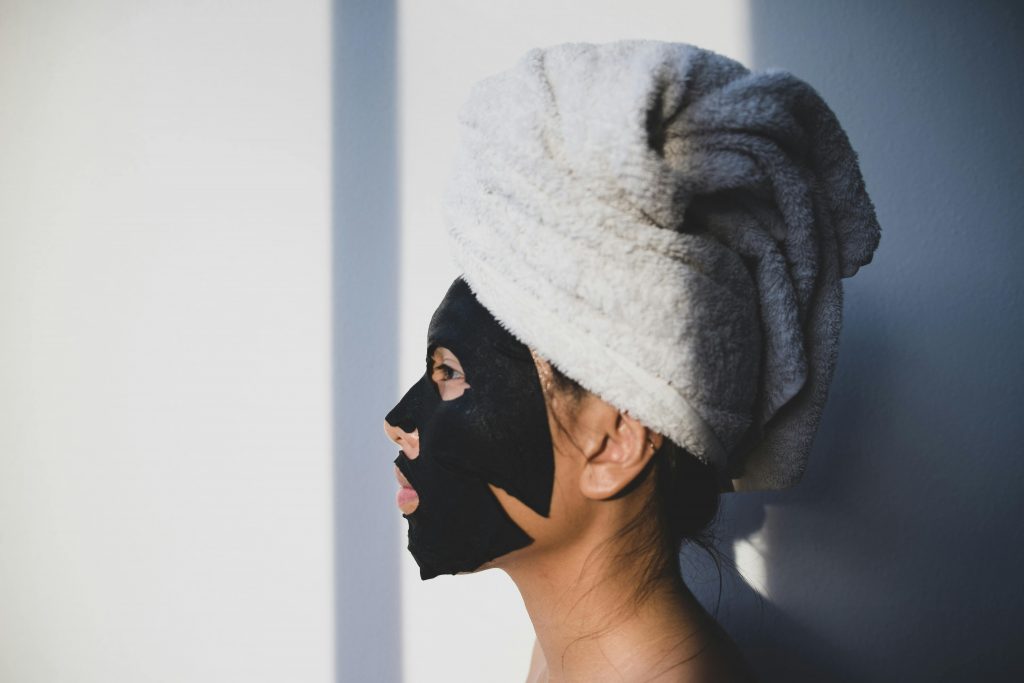
Activated charcoal has tiny pores that allow it to bind to oil, dirt, and other impurities on the surface of your skin.
When you apply a charcoal mask, it helps lift away buildup from your pores. Once you rinse or remove the mask, those impurities go with it.
What charcoal masks target:
- Excess oil
- Dirt and pollution
- Dead skin cells
- Pore buildup
This is why charcoal masks are often described as “deep cleansing.”
However, it’s important to understand that charcoal works mainly on the surface of your skin. It doesn’t pull toxins from deep inside your body.
Do Charcoal Masks Really Work?
Yes—charcoal masks can work, but their results are often temporary and depend on your skin type.
They are effective at removing surface-level impurities and reducing oil, which can make your skin look clearer and smoother right after use.
What they can do:
- Make pores appear smaller
- Reduce shine from excess oil
- Leave skin feeling clean and refreshed
- Improve overall skin texture
What they can’t do:
- Permanently shrink pores
- Cure acne
- Remove deep skin impurities
Charcoal masks are best seen as a helpful addition to your skincare routine, not a complete solution.
Benefits of Charcoal Masks
Charcoal masks can offer several benefits, especially for people with oily or combination skin.
1. Deep Cleansing
Charcoal masks help remove dirt, oil, and buildup from the skin’s surface. This can leave your face feeling fresh and clean.
2. Oil Control
If you have oily skin, charcoal masks can help absorb excess oil and reduce shine.
3. Smoother Skin
By removing impurities and dead skin cells, charcoal masks can improve your skin’s texture.
4. Temporary Pore Appearance Reduction
Charcoal masks can make pores look smaller by cleaning them out, although the effect is not permanent.
Risks and Side Effects
While charcoal masks can be beneficial, they also come with some risks—especially if used incorrectly or too often. Because charcoal is designed to absorb oil and impurities, it can sometimes remove more than your skin actually needs. This can lead to imbalance, especially if your skin is already sensitive or dry.
It’s important to pay attention to how your skin reacts after each use. What works well for one person may not work the same for another.
Possible side effects:
- Dryness, especially after frequent use
- Redness or irritation, particularly on sensitive skin
- Tight or uncomfortable feeling after removing the mask
- Flaking or rough patches if the skin becomes too dry
- Increased sensitivity to other skincare products
Peel-off masks, in particular, can be harsh. Removing them can pull on your skin, which may cause irritation, redness, or even minor damage—especially if applied too thickly or left on too long. They can also pull out fine facial hair, which can be uncomfortable.
Using charcoal masks too often can strip your skin of natural oils. When this happens, your skin may try to compensate by producing even more oil, which can lead to breakouts.
To reduce these risks, use charcoal masks in moderation, follow instructions carefully, and always apply a moisturizer afterward to restore balance.
Who Should Use Charcoal Masks?
Charcoal masks are best suited for certain skin types.
Good for:
- Oily skin
- Combination skin
- Acne-prone skin
If your skin tends to get clogged or shiny, charcoal masks may help manage those issues.
Who Should Avoid Them?
Not everyone will benefit from charcoal masks.
Be cautious if you have:
- Dry skin
- Sensitive skin
- Skin conditions like eczema or rosacea
These skin types may react negatively, especially to strong or peel-off formulas.
How Often Should You Use Charcoal Masks?
Using charcoal masks too often can do more harm than good.
General guidelines:
- 1–2 times per week for most people
- Less often if you have sensitive or dry skin
Always follow up with a moisturizer to keep your skin balanced.
How to Use a Charcoal Mask Properly
Using a charcoal mask correctly can help you get better results and avoid irritation. While charcoal masks are designed to deeply cleanse your skin, improper use can lead to dryness or sensitivity. Following the right steps ensures that your skin benefits without unwanted side effects.
Before applying any mask, it’s important to prepare your skin properly. Clean skin allows the charcoal to work more effectively by targeting oil and impurities without interference from makeup or dirt.
Steps:
- Clean your face thoroughly before applying the mask
- Apply an even layer, avoiding sensitive areas like the eyes and lips
- Leave it on for the recommended time (usually 10–15 minutes)
- Rinse or gently remove the mask without scrubbing too hard
- Apply a moisturizer afterward to restore hydration
You can also use a warm towel or gentle steam before applying the mask to help open up your pores. This can improve how well the mask works.
Be gentle when removing the mask, especially if it’s a peel-off type. Pulling too quickly or forcefully can irritate your skin.
Avoid leaving the mask on longer than instructed, as this can dry out your skin and cause discomfort. Using the mask properly helps you get a clean, refreshed feeling without harming your skin.
Peel-Off vs. Wash-Off Masks
Not all charcoal masks are the same, and the type you choose matters.
Peel-off masks:
- Can remove surface debris
- May feel satisfying to use
- Often more irritating
Wash-off masks:
- Usually gentler
- Easier to control
- Better for sensitive skin
If you’re new to charcoal masks, starting with a wash-off version is often safer.
Are Charcoal Masks Better Than Other Options?
Charcoal masks are just one option for deep cleansing, and they may not always be the best choice for everyone. If you’re wondering is charcoal good for your skin, the answer depends on your skin type and what you’re trying to achieve. While charcoal can help remove oil and surface impurities, other ingredients may work better for specific concerns.
Alternatives include:
- Clay masks
- Chemical exfoliants like salicylic acid
- Gentle scrubs
Clay masks are great for absorbing oil and tightening the appearance of pores. Chemical exfoliants, like salicylic acid, can go deeper into the pores to help with acne and buildup. Gentle scrubs can remove dead skin cells and improve texture when used carefully.
Each option has its own benefits, and some may be more effective depending on your skin type and concerns. In many cases, a combination of products can give you better results than relying on just one.
Tips for Getting the Best Results
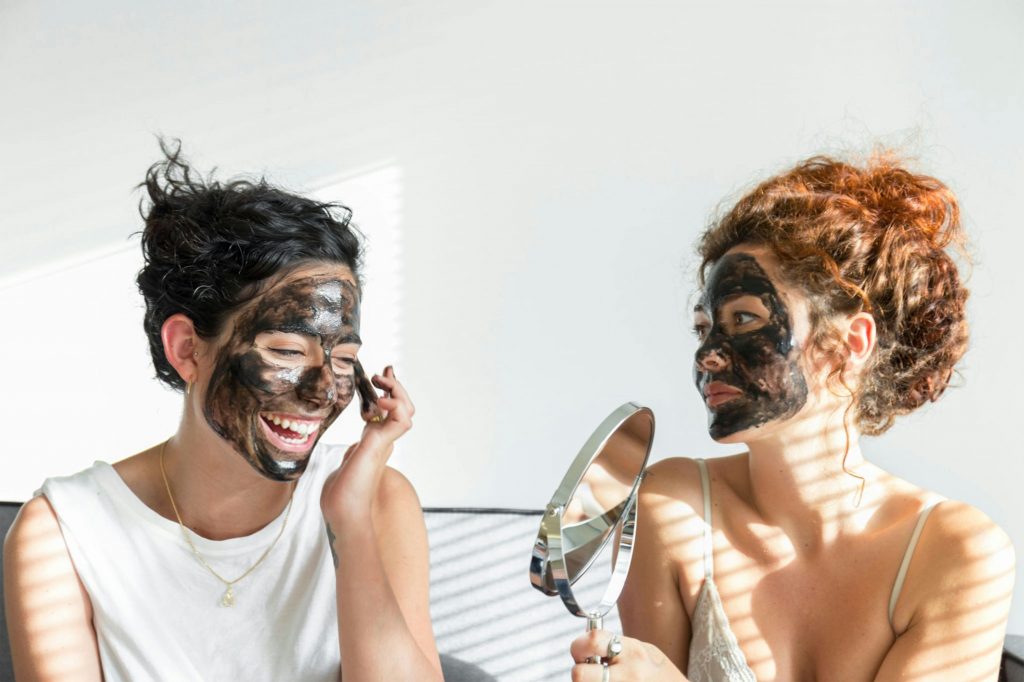
To get the most out of your charcoal mask, it’s important to use it the right way and stay consistent with your routine. While charcoal masks can improve how your skin looks and feels, the results depend on how well you match the product to your skin type and how often you use it.
Using too much or choosing the wrong product can lead to dryness or irritation, so a balanced approach is key. Small adjustments in how you use your mask can make a noticeable difference over time.
Tips:
- Use it only as directed and follow the recommended frequency
- Choose products suited to your skin type (oily, dry, combination, or sensitive)
- Avoid overuse, as too much can strip your skin of natural oils
- Always moisturize afterward to keep your skin hydrated and balanced
- Pay attention to how your skin reacts and adjust your routine if needed
It’s also helpful to use charcoal masks as part of a complete skincare routine that includes cleansing, moisturizing, and sun protection. This helps support overall skin health, not just short-term results.
Consistency and proper use are key to seeing results. When used correctly, charcoal masks can help keep your skin looking clean, smooth, and refreshed over time.
Final Thoughts
So, do charcoal masks work? Yes—but they’re not a one-size-fits-all solution.
They can help remove surface impurities, control oil, and improve the look and feel of your skin. However, they won’t solve deeper skin issues or provide long-term changes on their own.
The key is to use them wisely, choose the right product for your skin type, and combine them with a healthy skincare routine.
With the right approach, charcoal masks can be a helpful tool in keeping your skin clean, balanced, and refreshed.
