
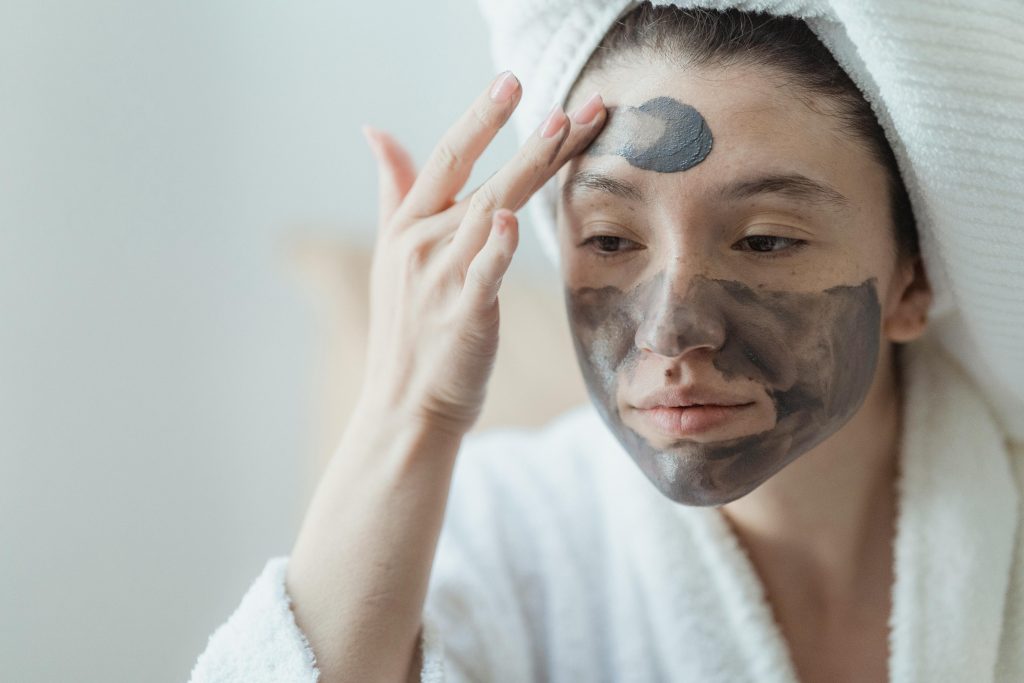
Charcoal has become a popular ingredient in skincare products. You may have seen charcoal face masks, cleansers, or scrubs in stores and online. Many people say it helps clear pores, remove oil, and improve skin appearance.
But is charcoal really good for your skin? And should you be using it in your routine?
In this guide, we’ll explain what charcoal does, its benefits, possible risks, and how to use it safely.
What Is Charcoal in Skincare?
The charcoal used in skincare is usually activated charcoal, not the same kind used for grilling.
Activated charcoal is treated to create tiny pores that trap chemicals, dirt, and toxins. Because of this, it is often used in products designed to “draw out” impurities from the skin.
Common charcoal skincare products:
- Face masks
- Cleansers
- Soaps
- Scrubs
These products are often marketed for deep cleaning and oil control.
How Does Charcoal Work on Skin?
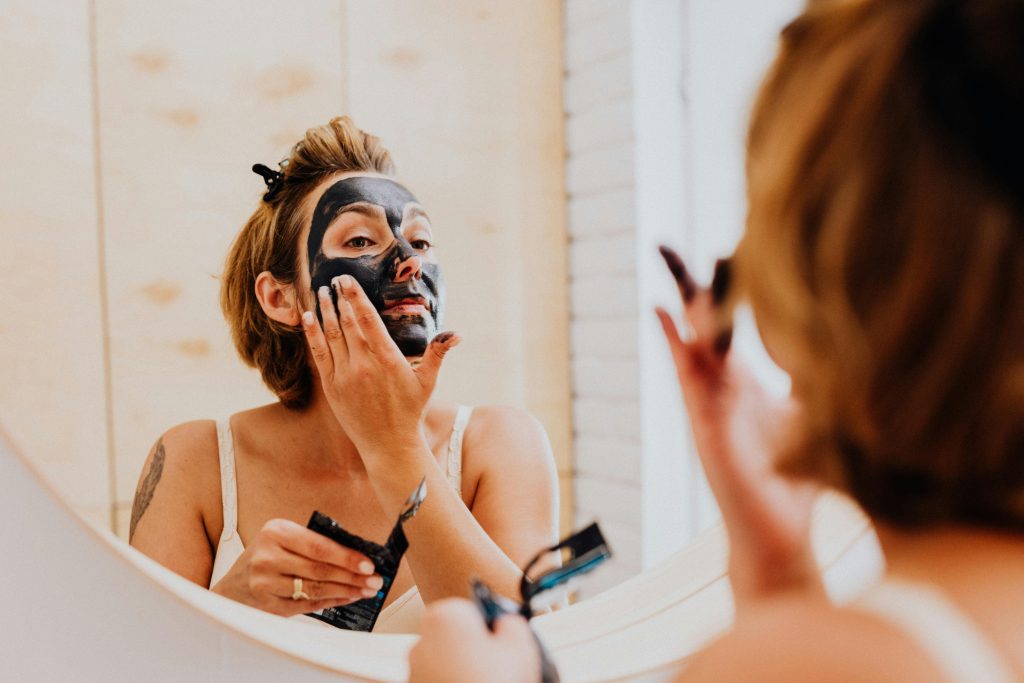
Activated charcoal works by binding to dirt, oil, and impurities on the surface of your skin. It has a porous structure, which means it can attract and hold onto tiny particles like excess sebum, dead skin cells, and environmental pollutants. When you rinse or wash off a charcoal product, these impurities are removed along with it.
This is why charcoal is often used in products designed for deep cleansing. It helps refresh your skin and can make your face feel cleaner than a regular wash, especially if you’ve been exposed to sweat, makeup, or pollution.
What it may help with:
- Removing excess oil that can make skin look shiny
- Cleaning clogged pores and reducing buildup
- Reducing the appearance of blackheads over time
- Giving skin a smoother and more refreshed look
- Helping prepare the skin for other skincare products
Charcoal works best as part of a routine, not as a one-time solution. Consistent but moderate use can help maintain cleaner-looking skin.
However, it’s important to understand that charcoal does not “pull toxins” from deep within your body. Its effects are mainly on the surface of your skin. While it can improve how your skin looks and feels, it does not replace proper skincare or medical treatments for deeper skin concerns.
Benefits of Charcoal for Skin
Charcoal can offer several benefits, especially for certain skin types.
1. Helps Control Oil
Charcoal is known for absorbing excess oil. This makes it a good option for people with oily skin.
It can help reduce shine and keep your skin looking fresh.
2. Deep Cleans Pores
Charcoal can help remove dirt and buildup from your pores.
This can make your skin feel cleaner and may reduce the appearance of blackheads.
3. Improves Skin Texture
By removing impurities, charcoal can leave your skin feeling smoother and softer.
Regular use may help improve overall texture.
4. May Help With Acne
Since charcoal helps remove oil and dirt, it may reduce factors that contribute to acne.
However, it is not a cure for acne and should be used as part of a broader skincare routine.
Who Should Use Charcoal Products?
Charcoal works best for certain skin types.
Best for:
- Oily skin
- Combination skin
- Acne-prone skin
If your skin tends to get greasy or clogged, charcoal products may be helpful.
Who Should Be Careful?
Charcoal is not ideal for everyone.
Be cautious if you have:
- Dry skin
- Sensitive skin
- Skin conditions like eczema or rosacea
Charcoal can sometimes be too drying or harsh, especially if used too often.
Possible Side Effects
While charcoal is generally safe for most people, it can cause issues if not used properly. Like many deep-cleansing ingredients, it can be too strong for some skin types—especially if used too often or in high concentrations. Understanding the possible side effects can help you avoid irritation and keep your skin healthy.
Charcoal works by absorbing oil and impurities, but this can also remove some of your skin’s natural moisture. When that happens, your skin may start to feel dry or sensitive.
Potential side effects:
- Dryness, especially if used frequently
- Irritation or stinging, particularly on sensitive skin
- Redness after using masks or cleansers
- Tight or uncomfortable skin feeling after washing
- Flaking or rough patches in some cases
These side effects are more likely if you already have dry or sensitive skin, or if you use charcoal products too often. Some products, like peel-off masks, can also be harsh and may cause irritation if removed too aggressively.
To reduce the risk, always follow up with a moisturizer and limit use to a few times per week. It’s also a good idea to do a patch test before trying a new charcoal product.
Using charcoal too frequently can strip your skin of natural oils, which may actually lead to more oil production or irritation over time.
How to Use Charcoal Safely
To get the benefits without harming your skin, it’s important to use charcoal products correctly. While charcoal can help clean your skin and control oil, using it too often or in the wrong way can lead to dryness or irritation. A balanced approach will help you get the results you want without damaging your skin.
Start by choosing a product that matches your skin type. Not all charcoal products are the same—some are gentle cleansers, while others are stronger masks or scrubs. Understanding how each one works can help you use them more effectively.
Tips:
- Use charcoal masks 1–2 times per week to avoid over-drying your skin
- Follow with a moisturizer to restore hydration and maintain balance
- Avoid overusing charcoal cleansers, especially if your skin feels tight or dry
- Do a patch test before trying a new product to check for reactions
- Use lukewarm water when rinsing to prevent irritation
It’s also important to pay attention to how your skin responds. If you notice dryness, redness, or discomfort, reduce how often you use charcoal products or switch to a gentler formula.
Moderation is key when using charcoal in your skincare routine. When used properly, it can be a helpful addition—but it should never replace a well-rounded skincare routine that includes cleansing, moisturizing, and sun protection.
Charcoal Face Masks: What to Know
Charcoal masks are one of the most popular ways to use this ingredient.
They are often used to deeply clean the skin and reduce oil.
Tips for using masks:
- Apply evenly to clean skin
- Avoid the eye and lip area
- Do not leave on longer than recommended
- Rinse gently with warm water
Some charcoal masks, especially peel-off types, can be harsh. Be careful when removing them to avoid irritation.
Can You Use Charcoal Every Day?
It depends on the product.
- Cleansers: Can be used daily if they are gentle
- Masks and scrubs: Should only be used occasionally
Using charcoal too often can dry out your skin and cause irritation.
Charcoal vs. Other Skincare Ingredients
Charcoal is not the only ingredient that helps with oil and pores.
Alternatives include:
- Clay (like bentonite or kaolin)
- Salicylic acid
- Niacinamide
These ingredients may offer similar or even better results depending on your skin type.
Does Charcoal Really Detox Your Skin?
The word “detox” is often used in marketing, but it can be misleading.
Charcoal can help remove dirt and oil from the surface of your skin, but it does not remove toxins from your body.
It’s best to think of charcoal as a deep-cleansing ingredient rather than a detox solution.
Tips for Choosing the Right Charcoal Product
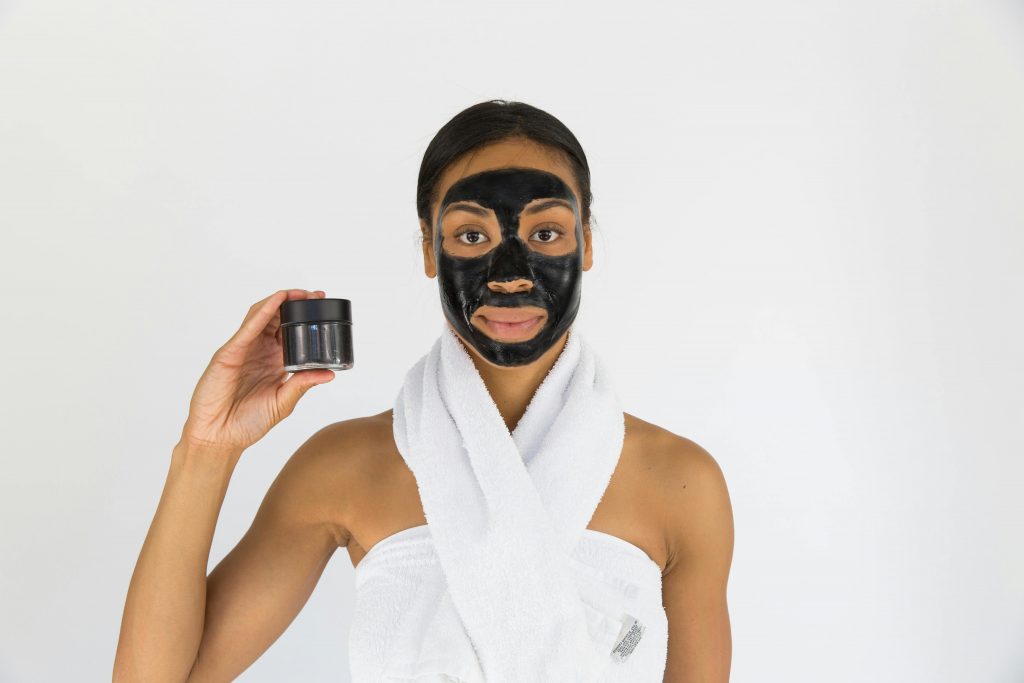
Not all charcoal products are the same. Some are gentle and suitable for daily use, while others are stronger and designed for occasional deep cleansing. Choosing the right one for your skin type can make a big difference in how effective—and comfortable—the product is.
It’s important to look beyond the label and check the ingredients and purpose of the product. A well-formulated charcoal product should clean your skin without causing dryness or irritation.
What to look for:
- Gentle formulas without harsh chemicals like strong alcohols or heavy fragrances
- Added moisturizing ingredients such as aloe vera, glycerin, or hyaluronic acid
- Products specifically designed for your skin type (oily, dry, combination, or sensitive)
- Balanced formulations that cleanse without stripping natural oils
- Clear instructions for how often the product should be used
For example, if you have oily skin, you may benefit from a charcoal mask or cleanser that focuses on oil control. If your skin is dry or sensitive, look for milder options with added hydration.
Avoid products that feel too strong or leave your skin overly dry or tight after use. Your skin should feel clean and refreshed—not uncomfortable. Choosing the right product helps you get the benefits of charcoal without unwanted side effects.
When to Stop Using Charcoal
Pay attention to how your skin reacts when using charcoal products. While many people benefit from them, not every skin type responds well. Your skin will usually give you clear signs if something isn’t working, so it’s important to listen and adjust your routine when needed.
Charcoal should leave your skin feeling clean and refreshed—not dry, tight, or uncomfortable. If you notice negative changes, it may mean the product is too strong or being used too often.
Stop using if you notice:
- Increased dryness or flaking
- Redness or irritation after use
- Breakouts or worsening skin condition
- A tight or uncomfortable feeling that doesn’t go away
- Sensitivity when applying other skincare products
If you experience any of these signs, stop using the product for a few days and allow your skin to recover. You can also switch to a gentler formula or reduce how often you use charcoal in your routine.
In some cases, ongoing irritation may mean charcoal isn’t suitable for your skin type. If symptoms continue, consider consulting a dermatologist for advice.
Your skin should feel balanced and healthy, not stressed. Knowing when to stop helps protect your skin and maintain a safe, effective skincare routine.
Final Thoughts
Charcoal can be a helpful addition to your skincare routine, especially if you have oily or acne-prone skin. It works well for removing excess oil and cleaning pores, which can improve your skin’s appearance.
However, it’s not a miracle ingredient. It’s important to use it in moderation and choose products that suit your skin type.
By understanding how charcoal works and using it correctly, you can enjoy its benefits without damaging your skin.
