

In today’s fast-paced world, ensuring holistic well-being is more essential than ever. Individuals are increasingly realizing the importance of addressing not only physical health but also mental and emotional wellness. Consequently, a multifaceted approach to health can significantly enhance one’s quality of life, reduce stress, and promote longevity. This article delves into several key areas of health and wellness, offering insights into emotional support resources, financial coverage considerations, hearing protection, oral structural care, scalp and follicle wellness, visual improvement strategies, movement rehabilitation, joint comfort management, hormonal balance, and effective medical visits. By harnessing these diverse forms of care, individuals can forge a path toward comprehensive well-being.
Beyond the basics of nutrition, exercise, and sleep, true wellness encompasses the often-overlooked systems that influence how we think, feel, and function every day. Many of these areas—such as hormone balance, jaw alignment, hearing clarity, or visual processing—operate quietly in the background, yet they have a major impact on energy levels, cognitive performance, emotional stability, and physical comfort. When issues arise in these domains, they may present subtly at first: mild fatigue, headaches, chronic stress, difficulty focusing, or recurring aches. Because the symptoms are easy to dismiss, people may delay addressing them until the problem becomes persistent or disruptive.
Proactively exploring these lesser-discussed aspects of health empowers individuals to take control before small imbalances turn into larger concerns. With today’s advancements in testing, therapeutic services, and personalized care, there are more options than ever for early intervention, prevention, and long-term support. This expanded perspective on wellness encourages people to recognize the interconnected nature of the body and mind—reminding us that well-being thrives when every part of the whole is nurtured.
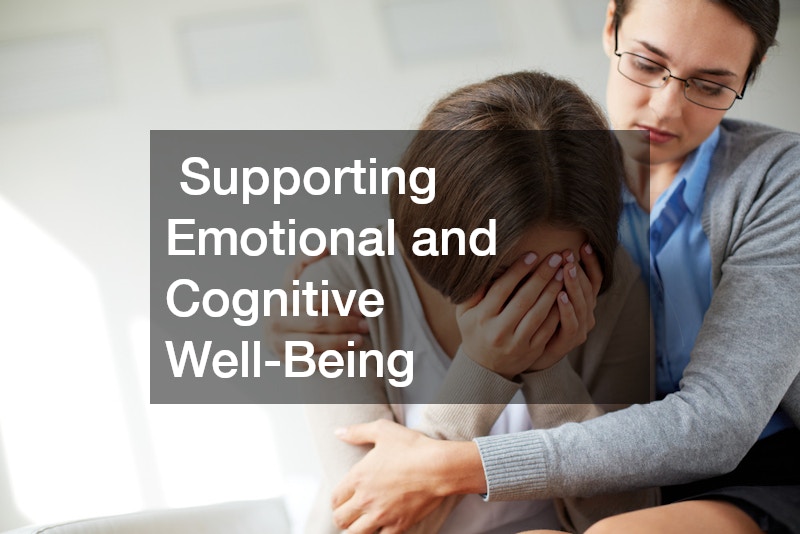
Supporting Emotional and Cognitive Well-Being
Mental health treatment is fundamental to maintaining emotional and cognitive well-being. It’s imperative to seek help when dealing with mental health challenges, whether they stem from stress, anxiety, or more significant disorders. A supportive approach involving therapy or counseling can provide the tools necessary for coping effectively with life’s challenges.
In today’s society, there is still a stigma around mental illness that can prevent individuals from accessing the help they require. This is why raising awareness about the significance of mental health treatment is crucial for combating ignorance and promoting understanding. With effective mental health care, individuals can unlock their potential, improving their relationships and productivity.
Various modalities of mental health treatment exist, including cognitive-behavioral therapy (CBT), mindfulness practices, and medication management. Each of these approaches has its unique benefits, allowing for personalization in treatment plans. By making a commitment to cultivating emotional and cognitive wellness, individuals can experience transformative changes in their lives, directly affecting their overall health.
Understanding Health Coverage and Long-Term Protection
Navigating health insurance can often be daunting, but understanding your insurance policy can dramatically improve your ability to access necessary health services. Many people fail to utilize their benefits effectively due to a lack of comprehension about what their coverage includes. Essential services, from preventive screenings to specialized treatments, can be covered under specific plans, making it critical to understand the nuances of these policies.
Long-term protection through insurance not only safeguards against high medical costs but also provides peace of mind. Regular consultations and preventive care should be priorities in any health strategy, as they can mitigate sizable expenses in the future. By comprehensively understanding an insurance policy, individuals empower themselves to make informed decisions about their health care.
Moreover, advocating for one’s health rights and ensuring a proper understanding of coverage can significantly influence treatment outcomes. Utilizing health insurance effectively can lead to timely access to essential services such as mental health treatment, preventative care, and chronic disease management. In essence, having adequate health coverage is an integral part of long-term wellness and protection.
Preserving Auditory Health and Early Detection
Hearing is one of our most valuable senses, yet it is often neglected until problems arise. An audiometry test serves as a fundamental tool in identifying hearing issues early on, enabling timely interventions. Increased awareness about auditory health must be a priority as it significantly affects communication and social interactions.
Regular auditory assessments help in tracking any changes in hearing ability over time. Health professionals recommend that individuals, especially those over a certain age or exposed to loud environments, should schedule routine audiometry tests. Early detection of hearing issues can translate into better management strategies, preventing further deterioration and enhancing overall quality of life.
Beyond testing, preserving auditory health involves adopting healthy practices, such as limiting exposure to loud noises and utilizing protective ear equipment when necessary. By prioritizing auditory health, alongside other elements of wellness, individuals can ensure a more balanced and fulfilling life. Awareness and proactive measures contribute to enhancing hearing, allowing engagement in daily interactions without hindrances.

Prioritizing Dental Alignment and Oral Structure
Oral health plays a pivotal role in overall health, influencing both physical and emotional well-being. Services provided by orthodontists are critical for achieving proper dental alignment, which can prevent future dental issues and improve self-confidence. Misalignment of teeth can lead not only to aesthetic concerns but also to difficulties in oral hygiene and increased risks of gum disease.
Investing in orthodontists services early in life can yield immense benefits, including improved function of teeth and jaws. In many cases, preventative measures taken during childhood can avert costly treatments later on. Moreover, a proper dental alignment ensures efficient chewing and reduces strain on surrounding muscles, contributing to better overall health.
Navigating the journey to optimal oral health involves understanding the variety of orthodontic treatments available, ranging from traditional braces to modern aligners. Consulting with an orthodontist helps in choosing the most suitable option based on individual needs. By prioritizing dental alignment and oral structure, individuals not only enhance their smiles but also support their overall health.
Addressing Hair Thinning and Scalp Health
Hair thinning and loss are issues faced by many individuals, impacting self-esteem and confidence levels. Hair transplant procedures have gained popularity as viable solutions, offering restoration options for those grappling with baldness or thinning hair. Regaining a full head of hair can lead to heightened confidence and a renewed sense of self.
It’s essential to understand the various factors contributing to hair thinning, including genetics, hormonal changes, and environmental influences. Consulting with a hair health professional can provide insights into personalized treatment options that suit an individual’s specific conditions. Additionally, exploring preventative measures and lifestyle changes can further aid in maintaining scalp health and preventing hair loss.
Integrating hair care into overall health and wellness strategies is essential. Emphasizing scalp care, adopting a balanced diet rich in vitamins, and minimizing stress can create a healthier foundation. By approaching hair health comprehensively, individuals are not only addressing the aesthetic aspects but also reinforcing their overall public persona and confidence.
Strengthening Visual Function and Processing
Visual health is an integral component of overall health, as effective vision is necessary for daily functioning and quality of life. Consulting a vision therapist can provide critical insights into maintaining and enhancing visual processes. Proper evaluation and training can address various visual issues and significantly improve one’s ability to function efficiently.
In recent years, the attention to vision therapy has increased, particularly for children with learning disabilities related to visual processing. Early intervention can lead to remarkable improvements in academic performance and self-esteem. By recognizing and addressing visual deficiencies, individuals can cultivate a better learning and working environment.
Integrating regular eye check-ups and vision therapy into personal health care routines fosters awareness towards visual well-being. Responsible eye care includes using protective eyewear, managing screen time, and ensuring proper lighting when working. By prioritizing visual health, individuals invest in their overall well-being, leading to enriched daily experiences and enhanced quality of life.
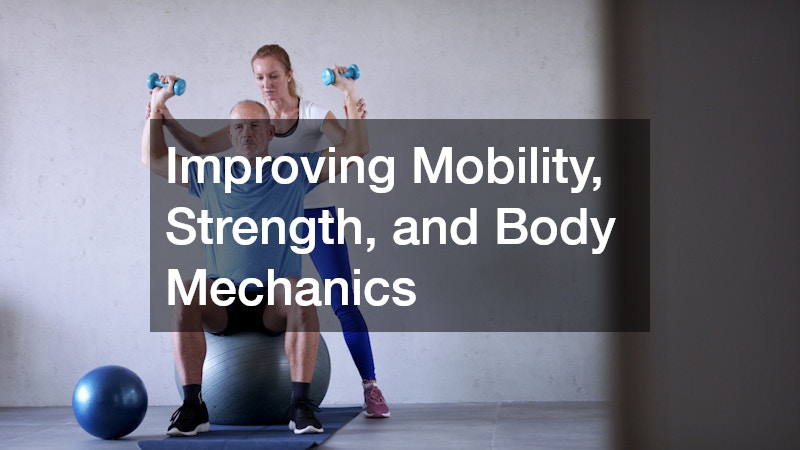
Improving Mobility, Strength, and Body Mechanics
Physical wellness directly influences daily activities and overall quality of life. Engaging a physical therapist can provide essential guidance in improving mobility, strength, and body mechanics. These professionals develop personalized programs tailored to individual needs, focusing on restoring function and preventing further impairments.
Incorporating exercises that focus on flexibility, stability, and strength not only aids in recovery from injuries but also promotes a healthier and more active lifestyle. Physical therapists use various methods, including manual therapy, modalities, and supervised exercise, to support their clients on their wellness journey. Consistent engagement with these practices sets the stage for lasting improvements in physical health.
Furthermore, education on posture and body mechanics is crucial, as many individuals may unknowingly exacerbate their physical ailments through poor habits. Learning proper techniques can prevent injuries and maintain overall wellbeing. Partnering with a physical therapist enables deeper insight into personal physical health, making it an essential aspect of long-term wellness.
Managing Chronic or Sudden Joint Discomfort
Experiencing joint discomfort, whether chronic or sudden, can severely impact daily life and overall well-being. Offering knee pain services can alleviate discomfort and restore function. Understanding the underlying causes of joint pain is critical for effective treatment, leading to tailored approaches based on individual needs.
Whether the result of injury, arthritis, or other conditions, seeking professional guidance is vital. Treatment may involve physical therapy, medication, or lifestyle changes aimed at relieving pain and enhancing mobility. An integrated approach that combines various modalities can effectively address symptoms and support recovery.
Moreover, exploring preventative measures can significantly reduce the risk of chronic joint issues. Engaging in regular, low-impact exercise and maintaining a healthy body weight are key factors in enhancing joint health. By actively managing joint discomfort and seeking appropriate services, individuals can reclaim their mobility and enhance their quality of life.
Balancing Hormones for Long-Term Wellness
Hormonal health is a significant aspect of overall wellness, influencing numerous bodily functions. Hormone replacement therapy (HRT) can be an effective solution for individuals experiencing symptoms related to hormonal imbalance. This treatment offers hope for managing conditions like menopause, adrenal fatigue, and metabolic disorders.
Balancing hormones through professional assessments and tailored therapies can boost energy levels, improve mood, and enhance overall well-being. Regular monitoring and adjustments in treatment plans are essential for achieving optimal results, as individual hormone needs can change over time. By prioritizing hormonal health, individuals are investing in their overall physical and emotional wellness.
Beyond HRT, adopting lifestyle changes such as nutrition and stress management contribute to hormonal balance. Implementing a healthy diet rich in whole foods and practicing stress-relieving techniques like yoga or meditation can significantly improve hormonal health. In essence, achieving balance in hormone levels creates a foundation for long-lasting wellness.

Making the Most of Medical Visits and Follow-Up Care
Maximizing the effectiveness of doctor appointments is crucial for receiving comprehensive health care. Preparation before visits is essential; having a list of concerns and questions can lead to more productive conversations with healthcare professionals. Utilizing time effectively in these appointments can ensure that all critical aspects of health are addressed.
Moreover, follow-up care is just as vital as the initial consultation. Establishing a plan for follow-up visits and adhering to prescribed recommendations ensures consistent health monitoring and progress tracking. By actively participating in their health care, individuals can foster a proactive approach, optimizing their overall well-being.
It’s important not only to focus on immediate concerns but also to embrace preventive care strategies. Regular screenings, vaccinations, and health assessments can lead to early detection of potential issues. By prioritizing effective doctor appointments and thorough follow-up care, individuals set themselves up for a lifetime of health and wellness.
Taking a comprehensive approach to health care that encompasses mental health treatment, auditory assessments, dental alignment, hair health, visual improvement, physical therapy, joint care, hormonal balance, and effective medical visits paves the way for lasting well-being. Each area is integral to not only enhancing individual health but also improving overall quality of life. By making informed decisions and actively engaging in health services, individuals are better equipped to navigate life’s challenges and foster a culture of health and wellness within their communities.
Incorporating these various elements creates a holistic framework for health, enabling individuals to experience enriching lives. By recognizing the interconnectedness of physical, emotional, and mental well-being, one can find balance and fulfillment. Achieving comprehensive health is a journey, and taking the first step towards these multifaceted services can yield profound benefits in the long run.
